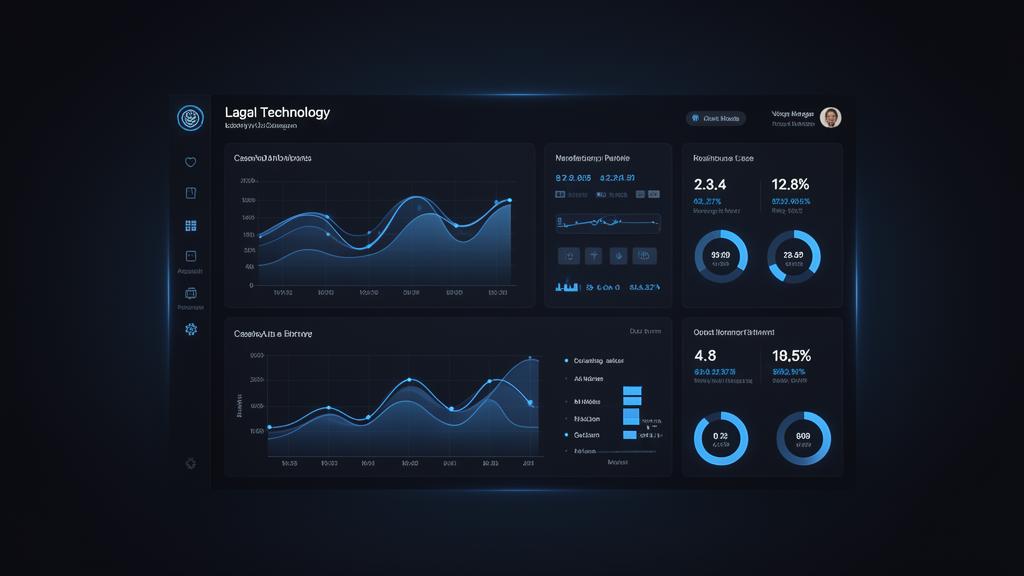
From Intake to Resolution: Automating the Litigation Pipeline
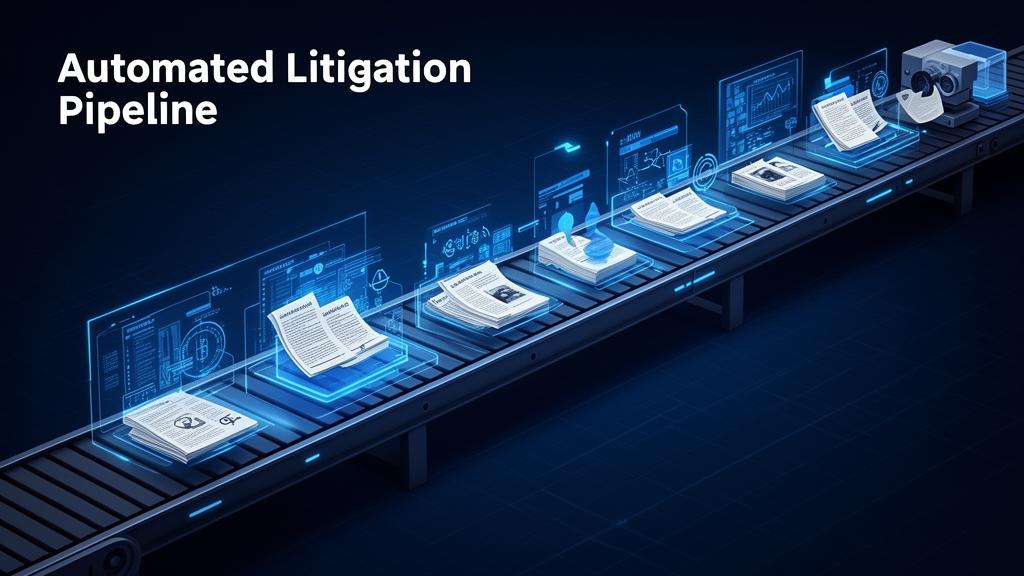
Every litigation case follows a lifecycle: intake, investigation, discovery, negotiation, trial, and resolution. At each stage, manual processes create bottlenecks. Automation eliminates them.
Stage 1: Smart Intake
Our onboarding engine captures case details through an intelligent questionnaire that automatically assesses case viability, estimates value, and routes leads to the right team.
What Gets Automated
- Case type classification and viability scoring
- Estimated case value calculation based on historical data
- Automatic routing to appropriate practice group
- Conflict of interest pre-screening
Stage 2: Automated Investigation
Once a case is accepted, automated workflows trigger document requests, schedule interviews, and create task lists based on case type and jurisdiction. No manual checklist required.
Stage 3: Discovery Management
Technology-assisted review, automated privilege logging, and smart production sets reduce what used to take weeks to days.
The Impact
Firms using automated discovery management report:
- 70% reduction in document review costs
- 5x faster production set generation
- 95%+ accuracy in privilege designation
Stage 4: Negotiation Intelligence
Data-driven insights from similar cases help attorneys set realistic expectations and negotiate from a position of strength. Historical settlement data, jurisdiction-specific trends, and opposing counsel patterns all inform strategy.
Stage 5: Resolution Tracking
From settlement distribution to case closure documentation, every step is tracked, logged, and reported automatically. Clients receive real-time updates, and compliance records are generated without manual effort.
The Bottom Line
Firms using end-to-end automation handle 3x more cases with the same staff, while reducing errors and improving client satisfaction. That's not incremental improvement—it's transformation.
Ready to automate your pipeline? Let's talk.