How Role-Based Access Control Protects Sensitive Case Data
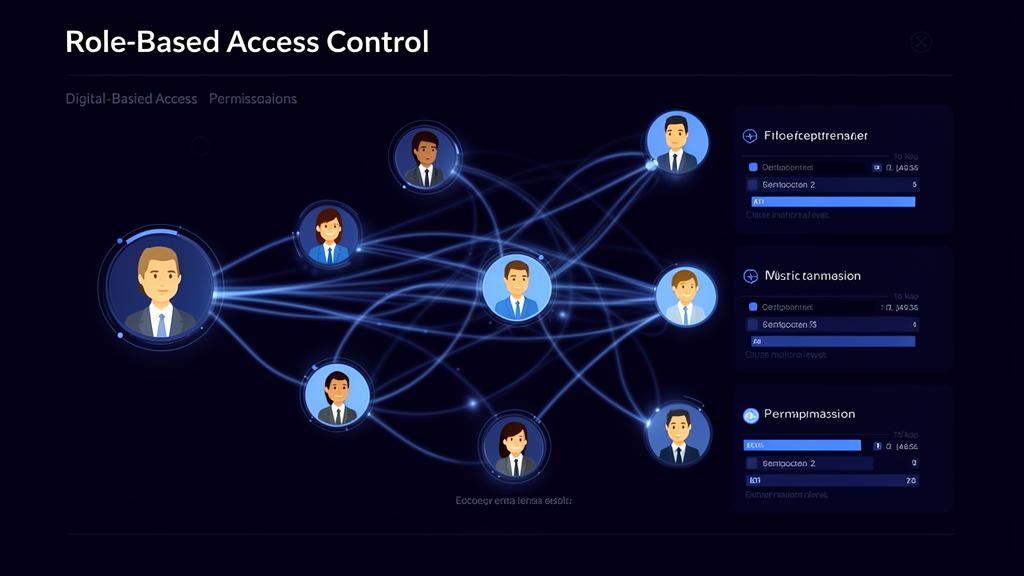
When multiple attorneys, paralegals, and support staff collaborate on a case, controlling who can see what becomes paramount. Role-Based Access Control (RBAC) is the industry standard solution.
What Is RBAC?
RBAC assigns permissions based on a user's role within the organization rather than their individual identity. An admin might have full access, while a partner stakeholder sees only read-only dashboards and financial summaries.
Common Role Tiers
- Administrator — Full system access, user management, configuration
- Lead Attorney — Case management, document access, team oversight
- Associate — Assigned case access, document review, note-taking
- Partner/Stakeholder — Read-only dashboards, financial summaries, reports
- External Consultant — Scoped access to specific case materials only
Why It Matters in Litigation
Consider a mass tort case with dozens of team members. Without RBAC:
- Junior associates could accidentally modify privileged documents
- External consultants might access unrelated case files
- Financial data could be visible to non-billing personnel
- Ethical wall breaches become nearly inevitable
Our Implementation
At RAT DOG WEB, we implement RBAC at every level of our litigation portals. Our system supports custom role definitions, real-time permission updates, and comprehensive logging of all access events.
Key Technical Features
- Row-level security policies that enforce access at the database level
- Real-time permission propagation—no waiting for cache refreshes
- Detailed audit logs of every permission change and access attempt
The result? Your sensitive case data stays exactly where it should—in the hands of authorized personnel only. Learn why firms choose us for their security-critical projects.