Zero-Trust Architecture: The New Standard for Legal Data Protection

Why Traditional Perimeter Security Fails Law Firms
For decades, law firms relied on a simple security model: build a strong perimeter, and trust everything inside it. Firewalls, VPNs, and network segmentation were the cornerstones of legal IT security. But this approach has a fatal flaw—once an attacker breaches the perimeter, they have free rein.
The shift to remote work, cloud-based platforms, and mobile access has dissolved the traditional network perimeter entirely. Attorneys access case files from home offices, courtrooms, airports, and client sites. The old model simply cannot protect data that lives everywhere.
What Is Zero-Trust Architecture?
Zero-trust architecture operates on a fundamentally different principle: never trust, always verify. Every access request—regardless of where it originates or who makes it—must be authenticated, authorized, and encrypted before access is granted.
Core Principles
- Verify explicitly — Authenticate and authorize based on all available data points, including user identity, location, device health, and the sensitivity of the resource being accessed
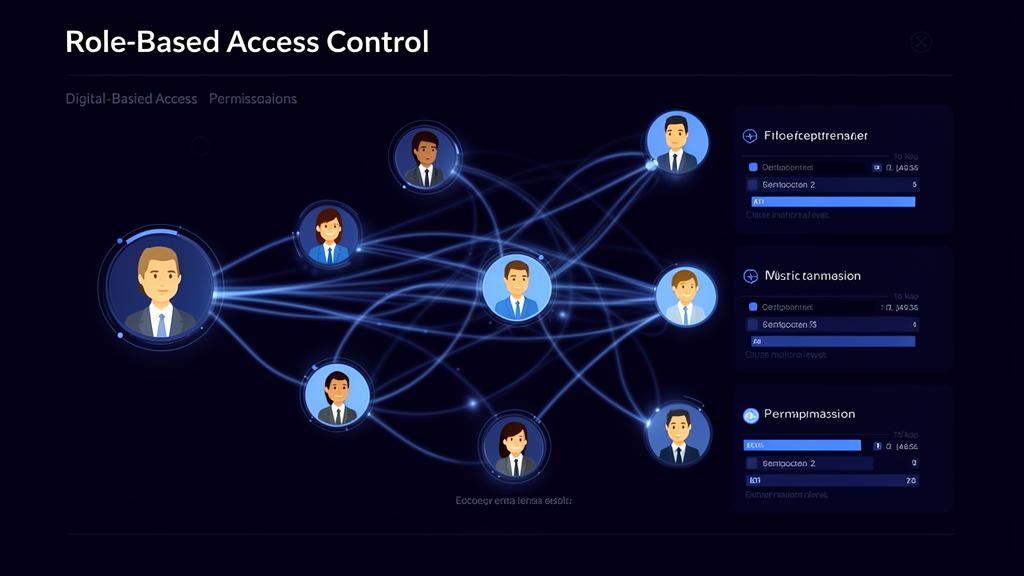
- Use least-privilege access — Limit user access to only what they need, only when they need it
- Assume breach — Minimize blast radius and segment access. Verify end-to-end encryption and use analytics to detect anomalies
Implementing Zero-Trust in a Legal Environment
Transitioning to zero-trust doesn't mean ripping out your existing infrastructure overnight. The most successful implementations follow a phased approach that prioritizes the firm's most sensitive assets first.
Phase 1: Identity and Access Management
Start with strong identity verification. Implement multi-factor authentication for all users, enforce conditional access policies, and deploy single sign-on across your legal technology stack.
Phase 2: Device Trust
Establish device compliance requirements. Only devices that meet your security standards—current patches, active endpoint protection, encrypted storage—should be able to access firm resources.
Phase 3: Micro-Segmentation
Segment your network and applications so that access to one system doesn't grant access to others. A paralegal working on a personal injury case shouldn't have network-level access to corporate M&A documents.
Zero-Trust and Ethical Walls
For firms handling matters with potential conflicts of interest, zero-trust architecture provides a natural framework for implementing ethical walls. By enforcing access controls at every layer, you can create robust information barriers that are verifiable and auditable.
Unlike traditional ethical walls that rely on user compliance, zero-trust ethical walls are enforced by technology. Users physically cannot access restricted information, and every access attempt is logged for compliance review.
The Business Case for Zero-Trust
Beyond security, zero-trust architecture delivers tangible business benefits. Firms that have implemented zero-trust report fewer security incidents, faster incident response times, and improved client confidence. Insurance carriers are also offering favorable cyber liability premium adjustments to firms with zero-trust architectures.