5 Security Features Every Legal Platform Needs in 2026

In an era where data breaches cost law firms an average of $4.5 million per incident, security isn't optional—it's existential. Here are the five security features that every legal platform must have.
1. End-to-End Encryption
Data should be encrypted both in transit and at rest. This means that even if an attacker intercepts communications, the data remains unreadable without the proper decryption keys.
Look for platforms that use AES-256 encryption at minimum, with TLS 1.3 for all data in transit.
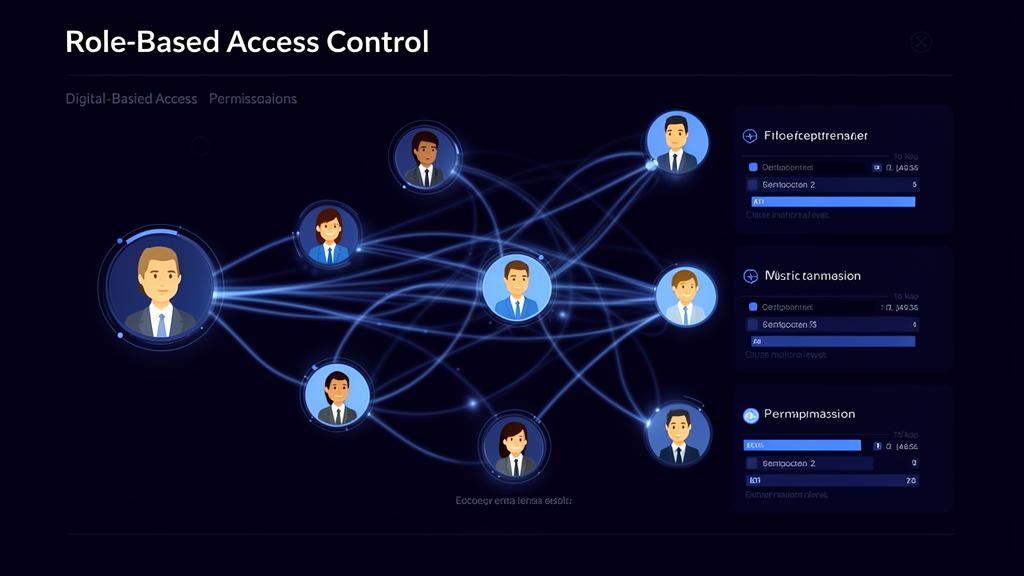
2. Role-Based Access Control (RBAC)
Not everyone needs access to everything. Our platform features include granular RBAC that ensures associates, partners, and clients each see only what they need.
Why RBAC Matters
A junior associate accidentally viewing privileged settlement communications could compromise an entire case. RBAC prevents this by design, not by policy.
3. Comprehensive Audit Trails
Every action—every document view, every status change, every note—should be logged and timestamped. This creates an immutable record that can be critical during compliance reviews.
4. Ethical Walls (Iron Curtain)
When a firm handles cases with potential conflicts of interest, digital ethical walls prevent information from leaking between teams. This is especially critical in mass tort litigation where firms may represent multiple plaintiff groups.
5. Multi-Factor Authentication
Passwords alone aren't enough. MFA adds an essential second layer of verification that dramatically reduces unauthorized access—even when credentials are compromised.
Building Security-First Platforms
Building a platform without these features is like building a courthouse without locks. Security must be architected from day one, not bolted on as an afterthought.
Get in touch to discuss your security requirements.